
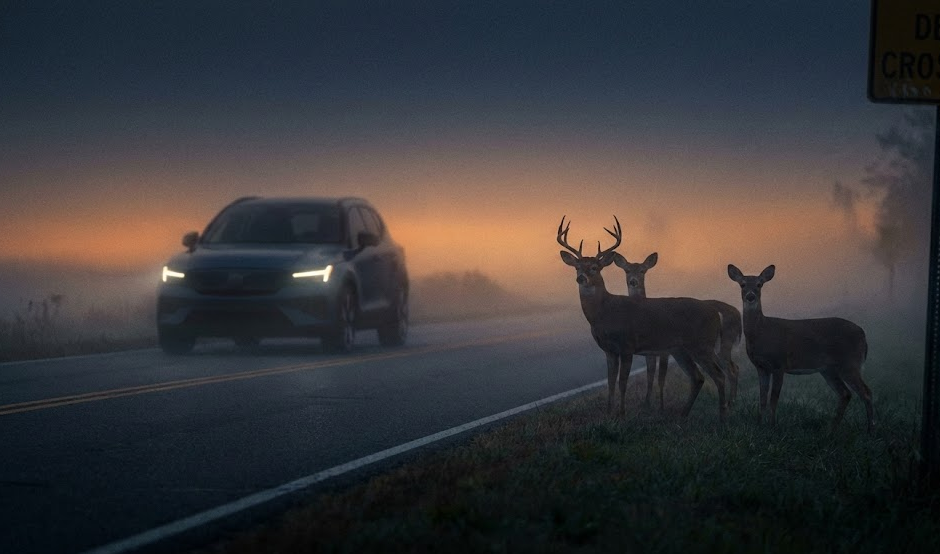
November in Henry County brings more than just cooler temperatures and fall foliage—it brings the peak of deer mating season, known as the rut, when unpredictable deer behavior turns familiar roads into potential hazard zones. If you’ve driven along Highway 20 near McDonough or merged onto I-75 near Stockbridge during dawn or dusk in recent weeks, you’ve likely noticed increased deer movement near the roadways. These animals aren’t simply crossing; they’re actively chasing, fighting, and completely ignoring traffic patterns during this critical breeding window. For Nissan drivers throughout Henry County, understanding how your vehicle’s advanced safety technology responds during these high-risk weeks can genuinely make the difference between a close call and a devastating collision. At McDonough Nissan Service, we’re committed to ensuring your Safety Shield® 360 technology is properly calibrated and ready to protect you when it matters most.
The Critical Window: Peak Deer Activity in McDonough (Nov 10–16)
According to Georgia Department of Natural Resources data, Henry County experiences its most intense deer activity during a remarkably specific window: November 10th through 16th. This isn’t just a general “watch out for deer” warning—this is the biological peak of the white-tailed deer rut in our region, when bucks are actively pursuing does and abandoning their normally cautious behavior. During this week, deer movement increases significantly compared to typical months, and they’re particularly active during your morning and evening commutes. If you’re heading to work before sunrise or returning home around dusk, you’re driving during the exact hours when deer are most likely to dart across Jonesboro Road, Eagles Landing Parkway, or the rural stretches near Locust Grove.
What makes this period especially dangerous isn’t just the increased deer population near roadways—it’s their complete unpredictability. A buck pursuing a doe will sprint across multiple lanes of traffic without hesitation, often followed by other deer in rapid succession. Near wooded areas along Highway 155 or the less-developed sections approaching Jackson, you might encounter not just one deer, but an entire group crossing within seconds of each other. This creates a dangerous situation where avoiding the first deer doesn’t necessarily mean you’re clear, and sudden braking or swerving can trigger chain-reaction accidents with other vehicles. Understanding this timing helps you stay extra vigilant, but it also underscores why having properly functioning safety technology in your Nissan is absolutely critical right now.
Beyond the Antlers: How Nissan Automatic Emergency Braking Protects You
Here’s something most drivers don’t fully understand about Automatic Emergency Braking: while the technology may struggle to consistently detect a deer’s soft, fur-covered body against a dark roadway, it’s exceptionally skilled at detecting something much more important—the vehicle in front of you slamming on its brakes. When the car ahead of you suddenly stops because a deer just darted into their path, your Nissan’s forward collision sensors immediately recognize the rapid deceleration and can apply your brakes in a fraction of a second, often before you’ve even processed what’s happening. This reaction time, measured in milliseconds rather than the full second it takes most humans to move their foot from gas to brake, frequently prevents the rear-end collision that would have otherwise been unavoidable.
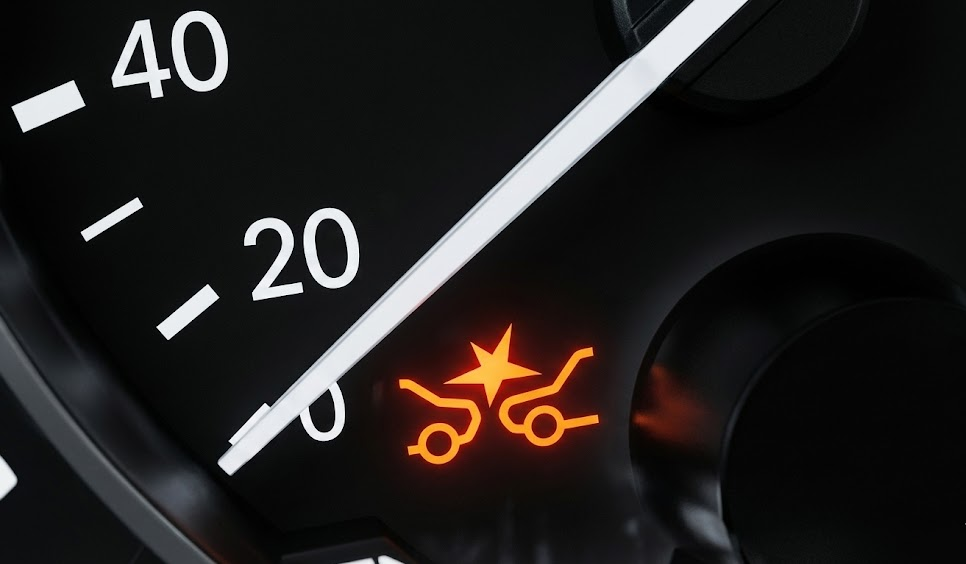
The latest Nissan Safety Shield® 360 technology uses a sophisticated combination of radar sensors and front-facing cameras to continuously monitor the road ahead, tracking not just distance but also the speed differential between your Nissan and surrounding traffic. During deer season in Henry County, this becomes your safety net when traffic suddenly goes from highway speed to full stop in mere moments. Think about driving on I-75 near the Jodeco Road exit during evening rush hour—if the lead vehicle hits their brakes for a deer crossing, the cascade effect travels backward through traffic incredibly quickly. Your Nissan’s Automatic Emergency Braking works in concert with Forward Emergency Braking to reduce impact severity or potentially avoid the collision entirely, giving you precious extra protection during these unpredictable weeks.
Additionally, Lane Departure Warning helps address another dangerous deer-related scenario: the instinctive swerve. When a deer appears suddenly in your headlights, the natural human reaction is to jerk the wheel, which often sends vehicles into adjacent lanes or off the roadway entirely. Your Nissan’s Lane Departure Warning provides subtle steering assistance and alerts to help you maintain your lane position, reducing the likelihood that a panic swerve puts you into oncoming traffic or causes you to lose control. This technology doesn’t eliminate your need to stay alert, but it provides crucial backup during those startling moments when a deer appears seemingly out of nowhere near the wooded areas around Hampton or McDonough.
Why “Close Enough” Sensors Aren’t Safe
Most Nissan owners don’t realize that the sophisticated radar and camera sensors powering their Safety Shield® 360 system require incredibly precise calibration to function properly. We’re talking about measurements so exact that a sensor misaligned by just a single degree—barely noticeable to the human eye—can cause your system to miss detecting a vehicle by several feet at highway speeds. This misalignment doesn’t typically happen all at once; it gradually occurs from everyday driving events that seem completely harmless: hitting a pothole on Anvil Block Road, having your windshield replaced after a rock chip, even a minor parking lot bump that you barely noticed. Each of these incidents can slightly shift the angle of your forward-facing camera or radar sensors, and that slight shift dramatically reduces the effectiveness of your Automatic Emergency Braking system.
This is where ADAS Calibration—Advanced Driver Assistance Systems Calibration—becomes the modern equivalent of a critical safety tune-up. During this service, certified technicians use specialized equipment to verify that your Nissan’s sensors are aimed exactly where they need to be, ensuring maximum detection range and accuracy. Think of it this way: if your sensors are aimed even slightly too high, they might miss a vehicle that’s braking directly in front of you; if they’re aimed too low, they might trigger false warnings for road debris or shadows. Either scenario compromises your safety during the high-risk deer season period when split-second detection makes all the difference. At McDonough Nissan Service, our technicians specifically check sensor alignment, camera positioning, and radar calibration to ensure your safety systems deliver the protection they were engineered to provide.
Many drivers only discover their sensors are misaligned after their safety features fail to activate during an emergency, which is obviously too late. Warning signs that your system needs calibration include dashboard alerts indicating a safety system malfunction, inconsistent behavior from your Automatic Emergency Braking (sometimes activating, sometimes not), or Lane Departure Warning that seems to trigger randomly or not at all. If you’ve recently had any front-end work, windshield replacement, or even just notice your safety features behaving differently than they used to, scheduling an ADAS diagnostic should be your immediate priority, especially with the deer rut reaching its peak this week in Henry County.
Experience the New Standard of Safety in 2025 Models
While proper maintenance and calibration keep your current Nissan’s safety systems operating optimally, the 2025 Nissan lineup features highly sophisticated sensor technology that provides robust protection during unpredictable driving conditions. The newest Nissan Rogue and Pathfinder models utilize advanced radar systems with precise object detection and fast processing speeds, which translates to earlier warnings and quicker automatic braking responses when unexpected hazards appear. These refined systems use high-resolution cameras and sensitive radar arrays that can better distinguish between different types of objects on the roadway, providing more nuanced responses to various driving scenarios you encounter throughout Henry County.
If you’ve been feeling less confident in your current vehicle’s ability to handle sudden emergencies—particularly during high-risk periods like deer season—exploring the latest Nissan Safety Shield® 360 technology in newer models might provide the peace of mind you’re looking for. The 2025 models also include refinements to Lane Departure Warning sensitivity and Blind Spot Warning coverage area, addressing common driver concerns about system responsiveness. Modern Nissans deliver not just incremental improvements, but substantially sophisticated protection that actively adapts to changing road conditions, giving you enhanced confidence whether you’re navigating morning traffic on I-75 or driving rural routes near Locust Grove where deer crossings are particularly common.
Real-World Effectiveness: What the Data Shows
| Safety Technology | Crash Type Prevented | Effectiveness Rate | Most Critical During |
|---|---|---|---|
| Automatic Emergency Braking | Rear-end collisions | 50% reduction | Chain-reaction deer stops |
| Lane Departure Warning | Single-vehicle road departures | 11% reduction in crashes | Panic swerving for deer |
| Forward Collision Warning | Front-to-rear crashes | 27% reduction | Sudden traffic slowdowns |
| Blind Spot Warning | Lane-change collisions | 14% reduction | Evasive maneuvers |
Source: Insurance Institute for Highway Safety (IIHS) real-world crash data analysis (based on relevant crash types and injury data)
Essential Driving Tips for Henry County Deer Season
Even with advanced safety technology protecting you, smart driving habits during peak deer activity periods dramatically reduce your collision risk. Here’s what actually works on Henry County roads:
- Time Your Commute Strategically: If your work schedule allows flexibility, avoid driving during the highest-risk hours of 5:30–7:30 AM and 5:00–8:00 PM, when deer movement peaks and visibility is poorest along wooded corridors near McDonough and Stockbridge.
- Increase Following Distance: During November, maintain at least a four-second gap between your Nissan and the vehicle ahead, giving your Automatic Emergency Braking extra time to react if sudden braking occurs on Highway 20 or I-75.
- Use High Beams Appropriately: On rural roads around Locust Grove and Hampton where deer crossings are frequent, use your high beams when no oncoming traffic is present—the reflection from deer eyes often provides your earliest warning.
- Scan the Roadside Continuously: Deer rarely travel alone, so if you see one cross, immediately slow down and watch for others following closely behind, especially near wooded areas along Eagles Landing Parkway.
- Don’t Rely Solely on Deer Crossing Signs: While these markers indicate known high-activity areas, deer during the rut move unpredictably and can appear anywhere, making constant vigilance essential throughout your entire drive.
- Trust Your Technology: If your Forward Collision Warning activates, don’t dismiss it—even if you don’t immediately see the hazard, the system has detected something requiring your attention and response.
Remember that your Nissan’s safety systems work most effectively when you’re actively engaged and driving defensively. Think of Safety Shield® 360 as your highly capable co-pilot, not an autopilot replacement, especially during these critical weeks when deer behavior is most erratic throughout Henry County.
Why Your Brake System Needs Attention Now
Your Nissan’s Automatic Emergency Braking can only protect you if your actual brake system is in excellent condition to deliver maximum stopping power when needed. During deer season, when sudden stops become far more likely, worn brake pads, degraded rotors, or old brake fluid can significantly extend your stopping distance—potentially by several car lengths at highway speeds. This means the difference between stopping safely and a collision isn’t just about sensor accuracy; it’s equally about brake system performance that delivers immediate, full stopping force the instant you need it.
If you’ve noticed any squealing when braking, a soft or spongy brake pedal feel, or longer stopping distances than your Nissan used to require, these symptoms indicate your brake system isn’t ready for the demands of deer season driving. Similarly, if it’s been more than two years since your brake fluid was changed, the fluid has likely absorbed moisture that reduces its effectiveness during emergency braking situations—exactly when you need maximum performance. A comprehensive brake inspection ensures your mechanical systems are fully prepared to work seamlessly with your electronic safety features, providing complete protection when a deer suddenly appears in your path or when traffic ahead stops abruptly.
FAQs
Q: Will my Nissan Automatic Emergency Braking stop for a deer?
A: The system is specifically designed to detect pedestrians and vehicles, and while it may not always identify animals directly, it excels at detecting the sudden traffic stops that deer cause. When the car in front of you brakes hard for a deer, your Nissan’s Automatic Emergency Braking recognizes that rapid deceleration and can apply your brakes in milliseconds, helping prevent the rear-end collision that follows most deer-related incidents on Henry County roads.
Q: How do I know if my safety sensors need calibration?
A: Watch for dashboard warning lights indicating a safety system malfunction, inconsistent behavior from your Automatic Emergency Braking or Lane Departure Warning, or recent events like windshield replacement, minor fender benders, or pothole impacts. If any of these apply, your sensors likely need professional calibration to restore proper function and accuracy.
Q: When is the most dangerous time for deer in Henry County?
A: The absolute peak occurs November 10–16 during the breeding rut, with the highest risk during dawn hours (5:30–7:30 AM) and dusk (5:00–8:00 PM). During this specific window, deer movement increases dramatically and their behavior becomes highly unpredictable throughout McDonough, Stockbridge, and surrounding areas.
Q: Does ADAS calibration really make that much difference?
A: Absolutely. A sensor misaligned by just one degree can miss detecting a braking vehicle by several feet at highway speeds—the difference between your Automatic Emergency Braking preventing a collision and failing to activate at all. Proper calibration ensures your safety systems deliver the full protection they’re engineered to provide.
Q: What should I do immediately after hitting a deer?
A: First, move your Nissan to a safe location if possible and check for injuries. Then document the damage with photos and contact your insurance company. Even if damage seems minor, schedule a multi-point inspection at McDonough Nissan Service to check for hidden mechanical damage and verify that all safety sensors remain properly calibrated and functional.
Schedule Your ADAS Calibration and Safety Inspection Today
Don’t leave your safety to chance during Henry County’s peak deer season. The certified technicians at McDonough Nissan Service are here to ensure your Safety Shield® 360 technology is calibrated precisely and functioning at peak performance, whether you drive a brand-new Nissan Pathfinder or a trusted Altima that’s been serving you faithfully for years. We have the manufacturer-specified diagnostic equipment, genuine Nissan parts, and specialized expertise to verify your safety systems are ready to protect you when it matters most.
With deer activity peaking November 10–16 and unpredictable animal behavior creating genuine hazards on I-75, Highway 20, and roads throughout McDonough, Stockbridge, and Locust Grove, waiting to address sensor calibration or brake system issues only increases your risk during the most dangerous weeks of the year. Our comprehensive diagnostic approach identifies exactly what your Nissan needs, ensuring your Automatic Emergency Braking, Lane Departure Warning, and critical safety features deliver the full protection they were engineered to provide.
Or visit us at McDonough Nissan Service at 1775 Avalon Parkway, McDonough, GA 30253, and let our experienced team ensure your Nissan is truly ready to handle whatever the roads throw at you this deer season and beyond.